Justice is moving, and your help makes it possible!
This year, several key cases that TRIAL has worked on for years reached decisive moments.
Among the many areas of work where our teams are engaged, we saw important developments in the United States, where a guilty verdict was delivered in the Michael Correa case; in Montenegro, where judges handed down their first decision for wartime torture; and in France, where the Roger Lumbala case culminated in a landmark verdict.
These cases do not move on their own. They move because organisations like TRIAL, supported by people like you, do the long, difficult work that makes them possible.
And as we look to 2026, your support will be critical to ensure this momentum does not fade.
The Lumbala trial ends decades of impunity.
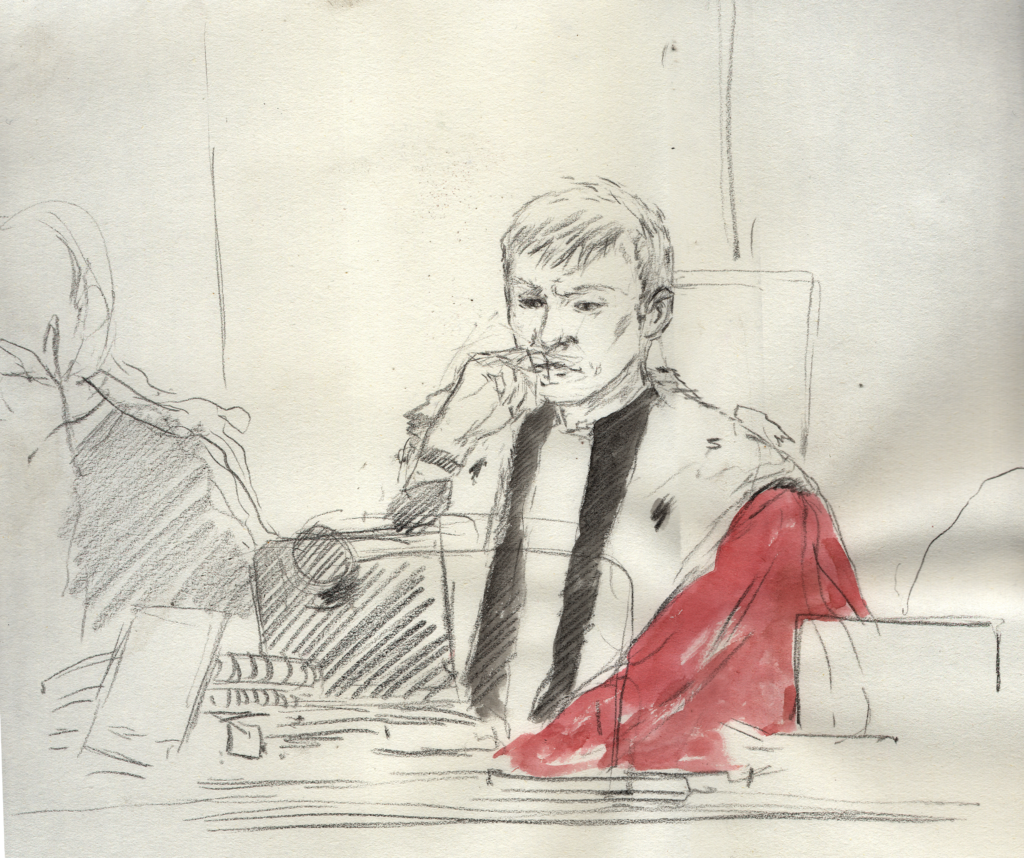
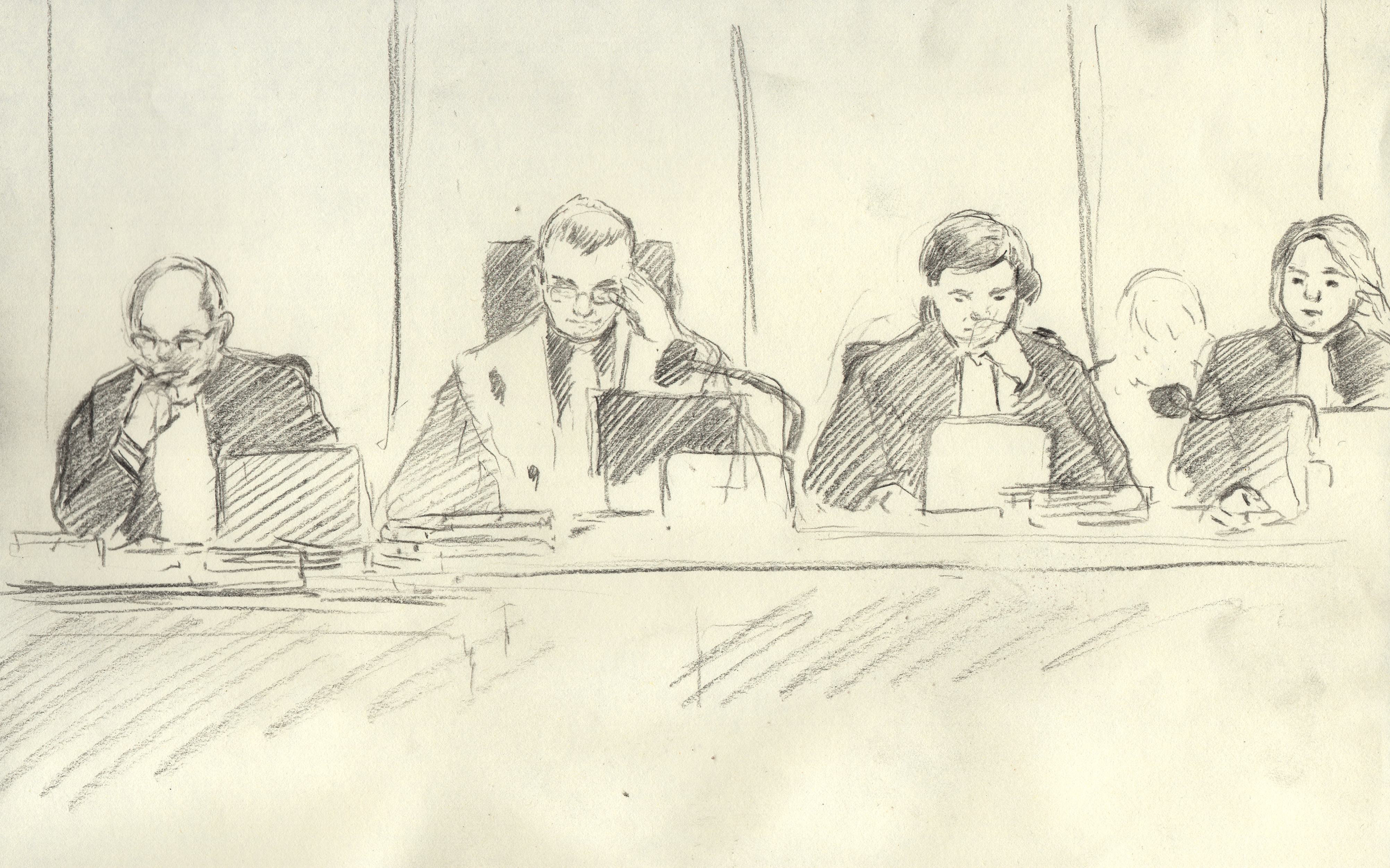
Monday night, after five weeks of hearings, the Paris cour d’assises sentenced Roger Lumbala, former politician and leader of the RCD-N rebel group, to 30 years’ imprisonment for complicity in crimes against humanity. The verdict concerns crimes committed in eastern Democratic Republic of the Congo (DRC) in 2002–2003, including the “Erasing the Board” operation carried out by RCD-N forces and allied groups.
For nearly a decade, our teams worked with survivors, mapped patterns of violence, and reinforced Congolese partners, contributing essential documentation and support that informed the proceedings in France. As a civil party, TRIAL International presented evidence, stood alongside survivors throughout the trial, and ensured that these crimes were not forgotten once again.
As Dr Denis Mukwege, Nobel Peace Prize laureate, noted in a statement following the verdict: “This trial is truly historic and, I hope, will have a considerable impact, as it brings an end to the total impunity for crimes committed during the internal and international armed conflicts that the DRC has experienced since the 1990s.”
This is why universal jurisdiction matters – and why TRIAL’s work matters.
The case was possible because Roger Lumbala was living in France, allowing French courts to exercise jurisdiction. It was also made possible by years of documentation and support provided by TRIAL and our Congolese partners, which enabled survivors to be heard and their experiences to be judicially recognised.
As we close this year and look toward 2026, one truth is constant: justice does not move on its own. It moves because people like you choose to sustain it.
Your support is what allows TRIAL to stand with survivors, build strong cases, strengthen local partners, ensure that accountability efforts can move forward.
With your help, we can continue this work – and beyond.
Thank you for standing with us. Together, we can continue advancing concrete, meaningful steps toward justice in 2026.