Crimes Against Humanity: the Liability of Legal Persons
Since 2011, TRIAL International has focused on combating impunity for crimes under international law committed by economic actors. Through litigation, documentation, and advocacy, we have exposed and challenged the ways in which business actors enable, facilitate, and profit from such crimes.. This practice-based experience underpins our commitment to advance accountability for such crimes, particularly where economic structures play a decisive role.
Despite being among the gravest crimes under international law, crimes against humanity remain the only core international crimes not governed by a standalone convention. This long-standing gap has weakened prevention, accountability, and access to justice for victims.
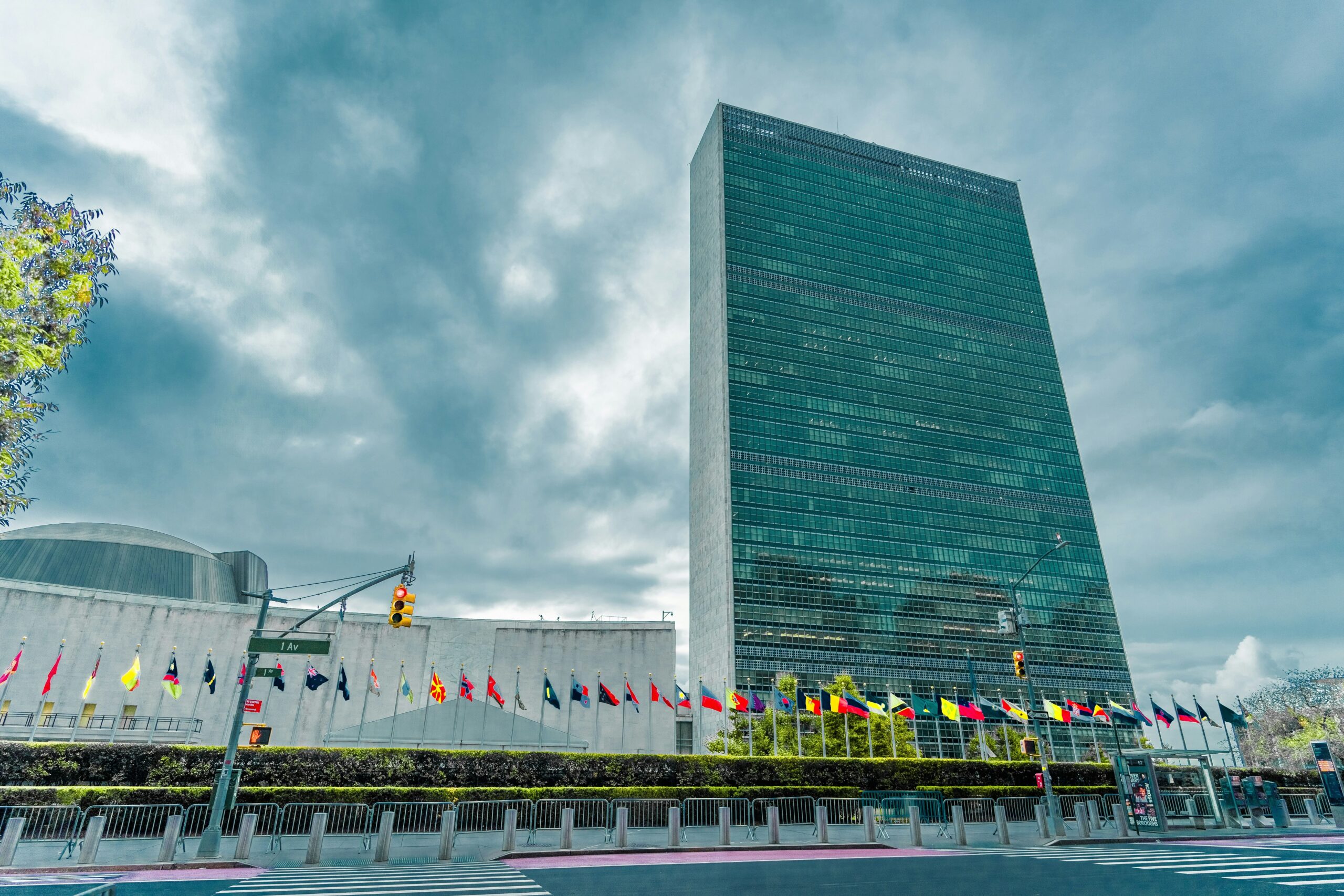
After years of discussion, the United Nations General Assembly has finally launched the formal process toward a Convention on the Prevention and Punishment of Crimes Against Humanity. States are now engaged in a central phase of this process, which will lead to a plenipotentiary conference expected to shape the Convention’s final content in 2029.
TRIAL International is deeply committed at this critical moment.
Since late 2023, we have been contributing legal expertise and advocacy to the UN process through engagement with States, participation in key meetings and side events, and the co-publication of targeted legal analyses to inform discussions and consultations. Our work focuses on ensuring that the future Convention is effective in practice, incorporating the strongest possible provisions to prevent and punish crimes against humanity, while protecting victims of these crimes.
In particular, TRIAL International is spearheading civil-society advocacy on one key substantive issue: the liability of legal persons for crimes against humanity. To support this work, we have published a briefing paper presenting concrete recommendations to States and inviting public endorsement.
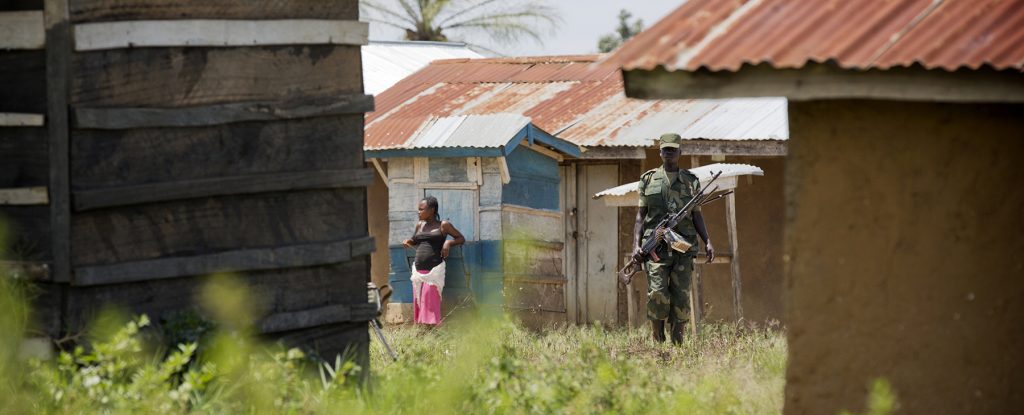
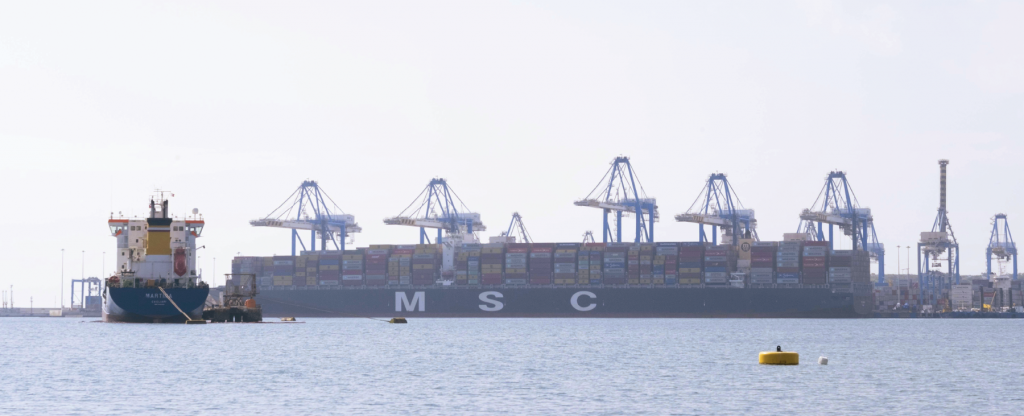
Crimes against humanity are not committed by individuals alone: corporate entities and other legal persons have enabled, facilitated, or profited from these crimes. The upcoming negotiations will determine how crimes against humanity are prevented and punished in the future.
Support from our donors is crucial at this stage: by standing with us, you help strengthen the foundations of the international justice architecture, ensuring that this historic treaty can support accountability for crimes against humanity in the decades to come.
With all our gratitude,
Pamela Capizzi
Head of Pool of Legal Expertise