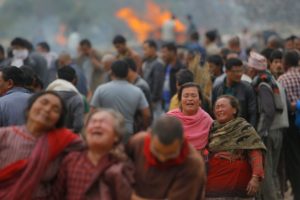
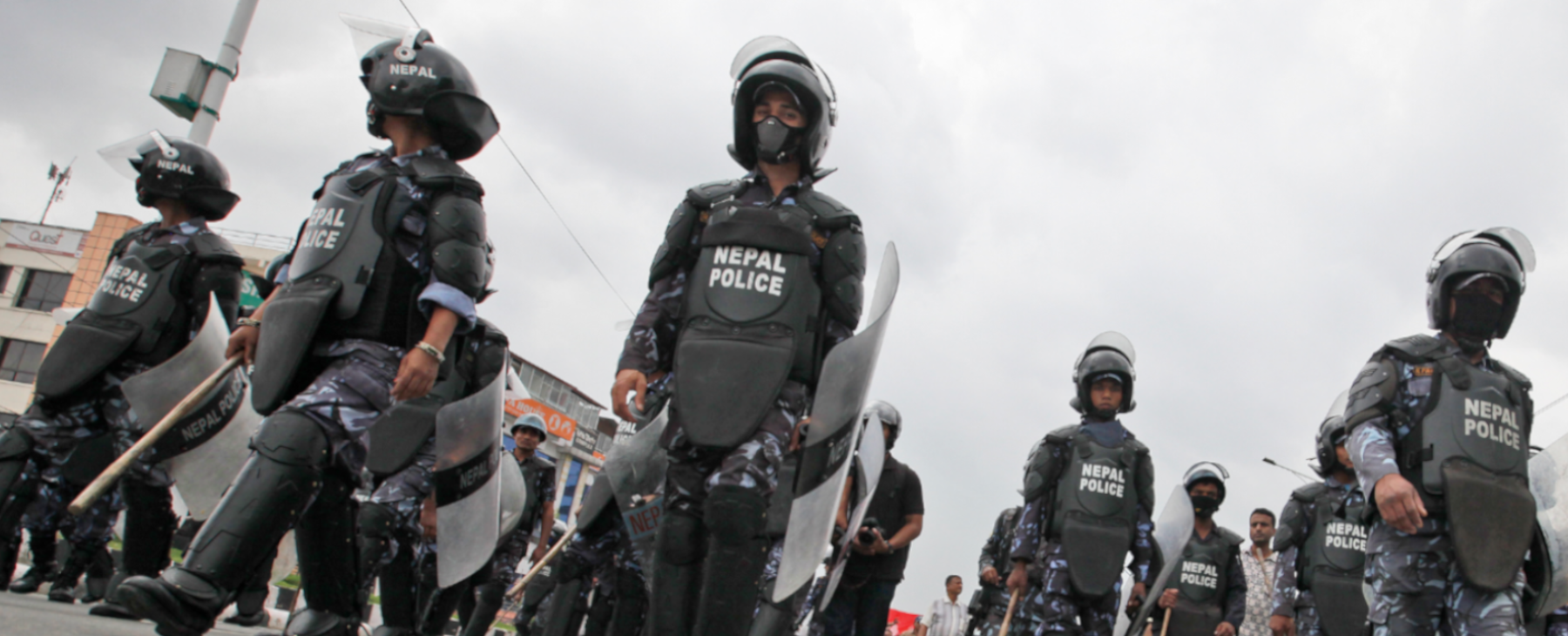
Thousands of people were victimized over the course of the armed conflict that ravaged the country between 1996 and 2006. Each of the warring parties – the Maoist rebels and the Nepalese government – enrolled child soldiers and committed grave human rights violations. To this day, torture, extrajudicial executions and sexual violence are still commonplace.
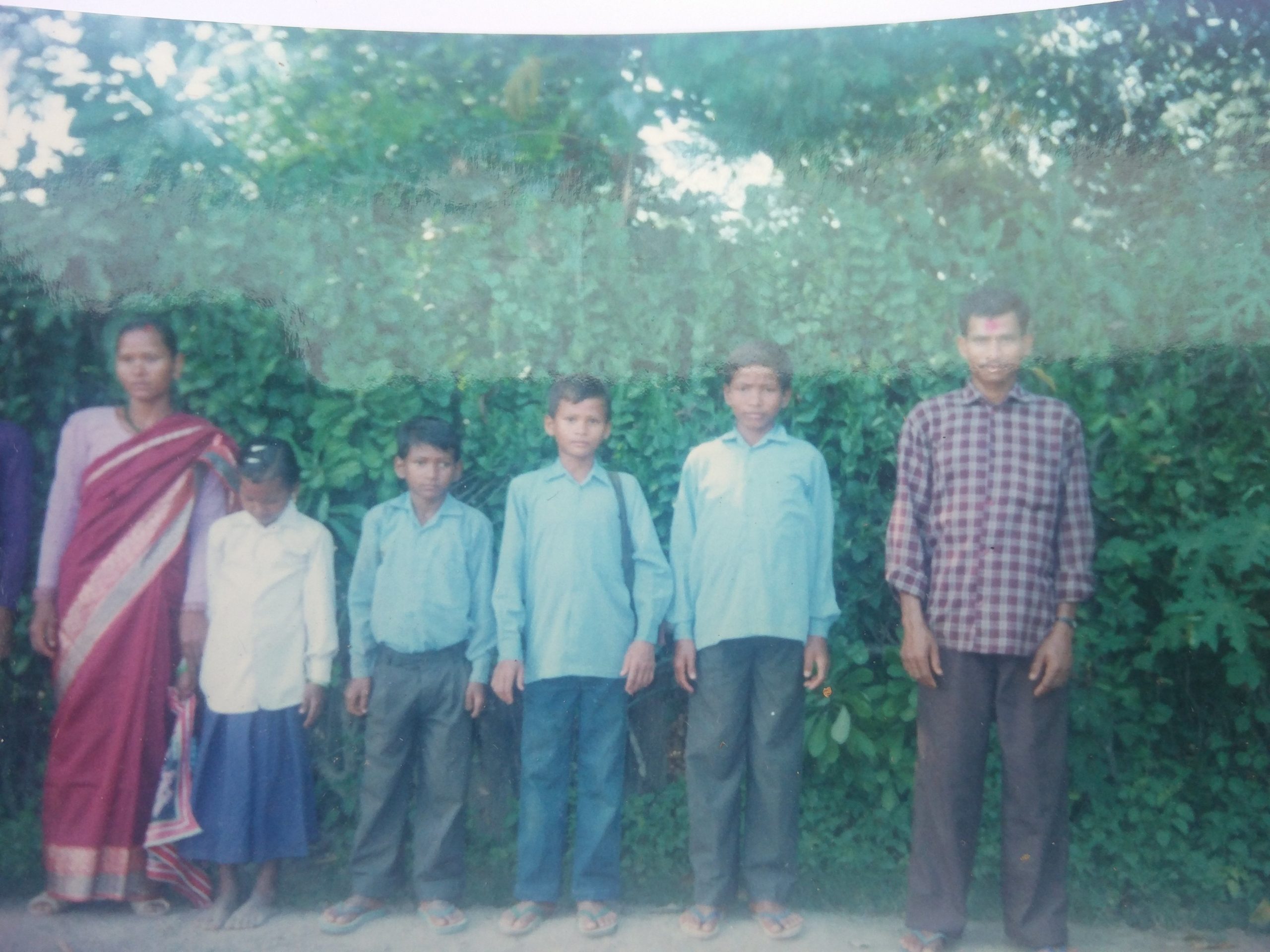
According to estimates, nearly 17’000 people died and more than 1’300 people were forcibly disappeared during the Nepalese civil war.
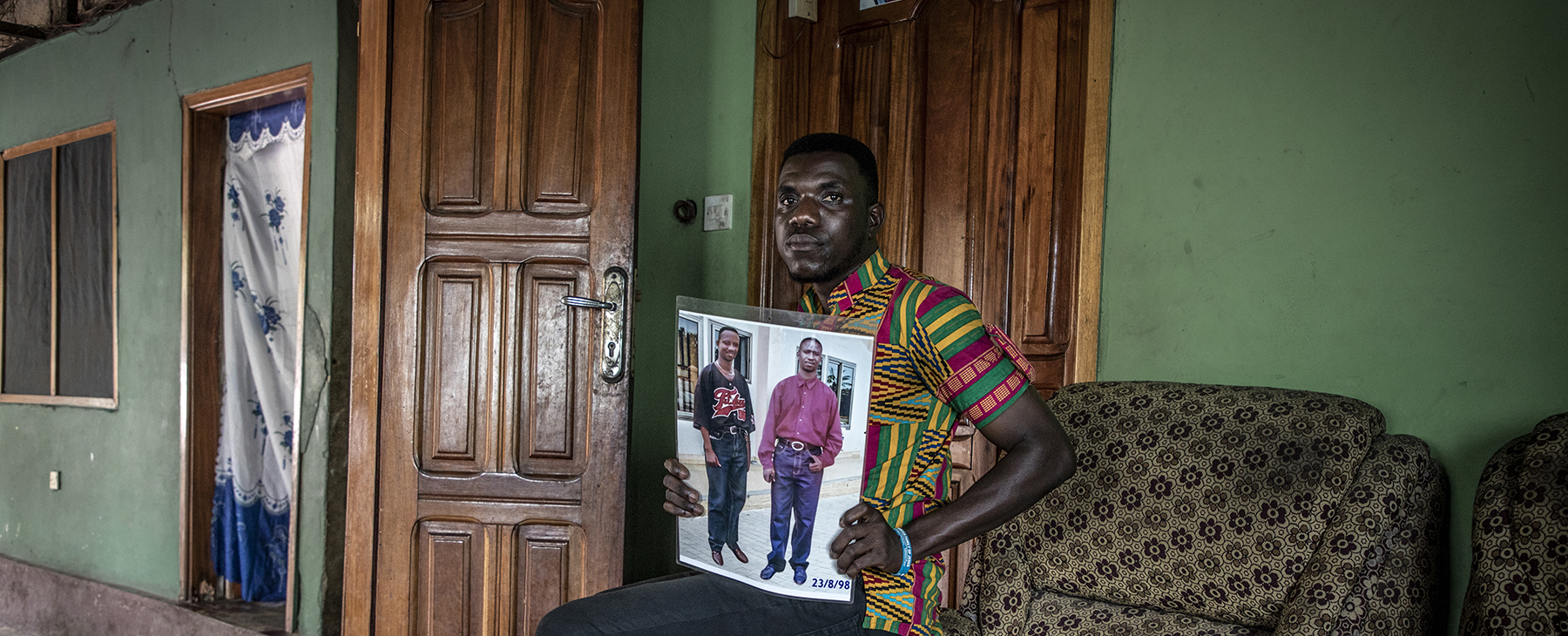
More than a decade after the end of the conflict, thousands of victims and their loved ones are still waiting for justice. The Nepalese judicial system is at a standstill and the perpetrators, many of whom currently hold positions in government, enjoy near total impunity.
Two ad hoc institutions, the Truth and Reconciliation Commission (TRC) and the Commission on the Investigation of Enforced Disappearance of Persons (CIEDP), were supposed to facilitate the transitional justice process. Unfortunately, they remain largely inoperative and are regularly accused of being at the mercy of political interests.
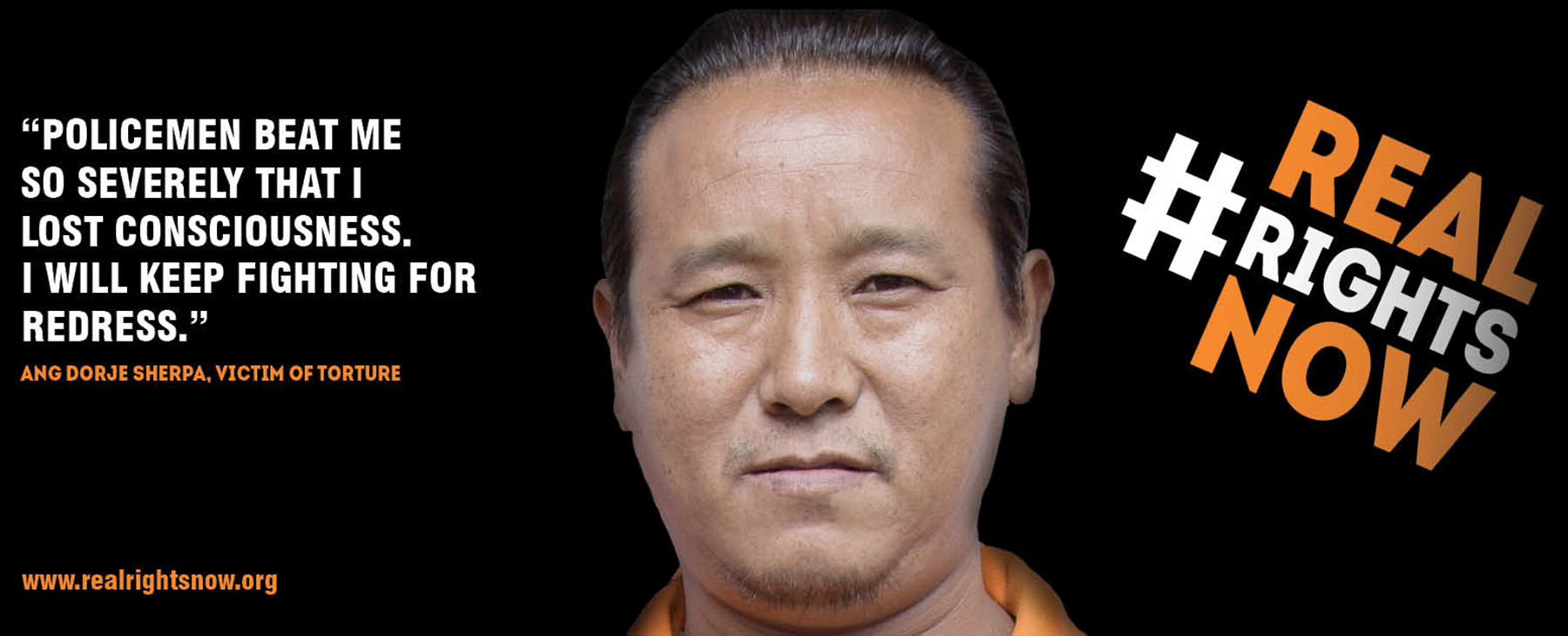
At the same time that atrocities committed during the conflict go unaddressed, human rights violations remain widespread in Nepal. Torture, sexual violence and extrajudicial executions are still common, and the authorities make no effort to identify the perpetrators.
What does TRIAL International do in Nepal?
TRIAL International worked in Nepal from 2009 to 2022 to help victims of international crimes committed both during and after the civil war and led its fight against impunity to the Human Rights and Justice Center, a local organization dedicated to improving and facilitating access to justice for victims of human rights violations.
Because the national courts fail to act– as of October 2019, not a single perpetrator of international crimes had been tried in Nepal – the largest cases are brought before international bodies, in particular the United Nations Human Rights Committee and Special Rapporteurs.
Regrettably, domestic implementation of international decisions is far from assured; many recommendations of United Nations bodies remain unheeded. For this reason, TRIAL International and its partners continue to pressure the Nepalese authorities to deliver meaningful transitional justice.
Local structure
Since 2017, TRIAL International has led its fight against impunity in Nepal through the Human Rights and Justice Centre (HRJC). Staffed exclusively by local personnel, the HRJC is located on Nursary Lane, in Kathmandu. A network of Nepalese lawyers, selected and trained by TRIAL International, bring cases on behalf of individual victims. Experts from the HRJC mentor and advise these lawyers throughout the process.
The HRJC is a hub where victims, NGOs and lawyers join forces to see that justice prevails. In so doing, all of these actors build their individual capacity.
To provide the best experiences, we use technologies like cookies to store and/or access device information. Consenting to these technologies will allow us to process data such as browsing behavior or unique IDs on this site. Not consenting or withdrawing consent, may adversely affect certain features and functions.
Functional
Always active
The technical storage or access is strictly necessary for the legitimate purpose of enabling the use of a specific service explicitly requested by the subscriber or user, or for the sole purpose of carrying out the transmission of a communication over an electronic communications network.
Preferences
The technical storage or access is necessary for the legitimate purpose of storing preferences that are not requested by the subscriber or user.
Statistics
The technical storage or access that is used exclusively for statistical purposes.The technical storage or access that is used exclusively for anonymous statistical purposes. Without a subpoena, voluntary compliance on the part of your Internet Service Provider, or additional records from a third party, information stored or retrieved for this purpose alone cannot usually be used to identify you.
Marketing
The technical storage or access is required to create user profiles to send advertising, or to track the user on a website or across several websites for similar marketing purposes.